
Chemical Approaches to Nanoscience

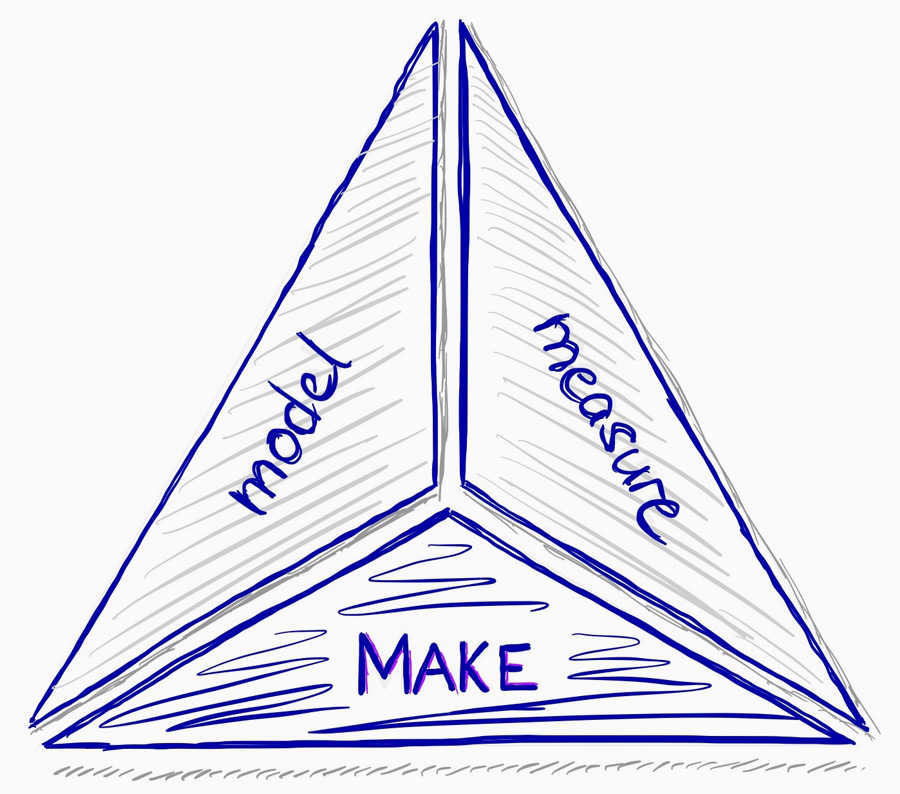
Organic synthesis enables the precise generation of functional molecular building blocks and constitutes the basis of chemical approaches that our group is developing to address current challenges in materials science. We are convinced that the design of custom-tailored molecular nano-objects and their integration into functional nanosized structures will be key to the future bottom-up fabrication of miniaturized devices and the creation of new responsive “smart” materials.
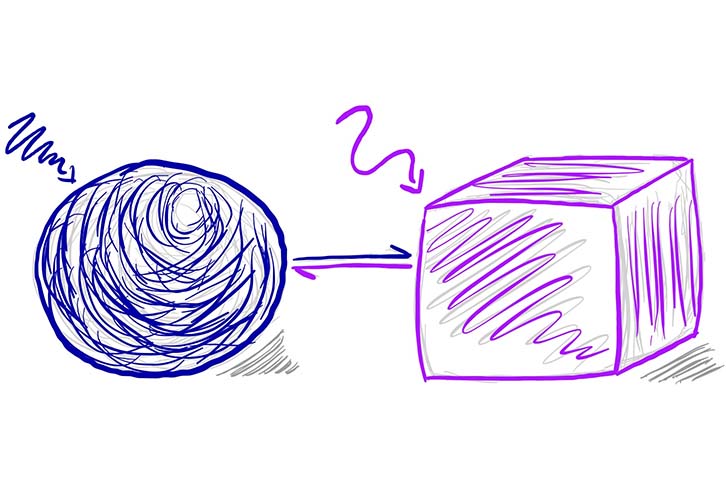
Our work is primarily devoted on the synthesis of molecules and their covalent and non-covalent assemblies with defined dimensions, shape, and properties. Particular focus is on the further development and exploitation of photoswitchable units to externally control and drive molecular functions and processes by exploiting the superior spatio-temporal resolution of the light. Complementing our synthetic efforts, we investigate structure-property relationships of the resulting materials on both the single molecule and the ensemble levels in solution and in the bulk as well as at interfaces.

Read the Angewandte Chemie author profile about SH (Summer 2011) in either English or German

Check out our group research summary (Fall 2011) in German (only)

Watch interview with SH (Fall 2010) in German (only)

What We Do

undefined
Currently, we are following several lines of research and our main efforts are directed towards:
  • Designing molecular systems with high photoresponse and large structural changes: Based on cooperative folding and aggregation, helical foldamers and rigid rods, respectively, are rendered photoresponsive and their light-triggered geometrical changes are being used to control and drive various processes. These include aggregation and association processes but in particular the development of new optomechanical systems.
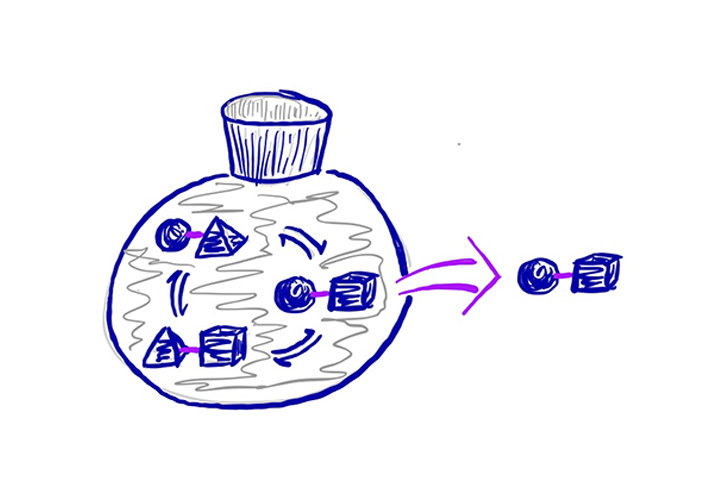
  • Developing remote-controlled catalyst systems: Photoswitchable catalysts, which can be adressed with high spatial and temporal control, are being designed to achieve signal amplification, to control the (micro)structure of polymers, and to enable the complex patterning of surfaces.
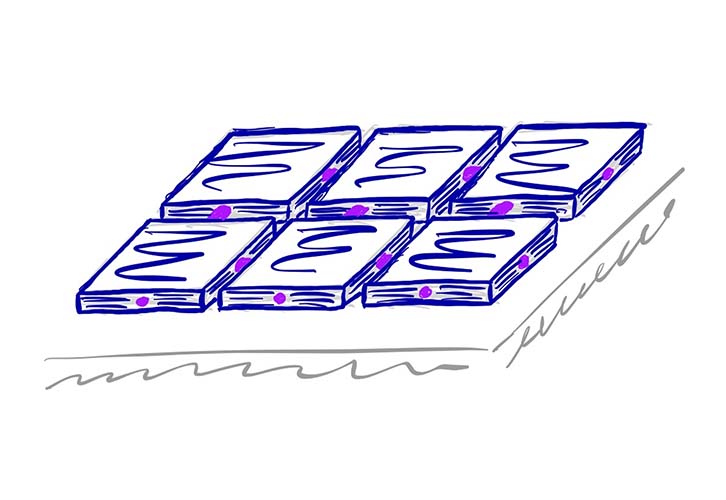
  • Exploiting surface confinement to control conformation, assembly, and reactivity: Individual molecular building blocks are being designed to enable the generation of non-covalent and covalent functional nanostructures directly on solid substrates for their use in molecular-scale electronic devices and nanostructured "smart" surfaces. This line of research involves our on-surface polymerization as well as switches and their assemblies on surfaces.

News

14.05.2012
Callisto MacIsaac (McMaster University) joined the group
09.05.2012
Ryo and Philipp's work on Ti(IV) catalyst has been accepted for publication in Organometallics
17.02.2012
Spiropyran-Nanotube Constructs
13.02.2012
Giant folded dendrimer discs
13.02.2012
David received a prize for his talk at the CECP 2012 meeting
16.01.2012
Taking on-surface polymerization to the next level
19.12.2011
Jan defended his dissertation successfully
12.12.2011
Jan's work on the synthesis of novel "amphifinic" pseudopeptides to inihibit beta-sheet aggregation has been accepted for publication in Organic Letters
12.12.2011
Björn's work on ladder oligo(para-phenylene)s has been accepted for publication in the Journal of Materials Chemistry
03.11.2011
Tamer's work on the self-assembly of responsive click dendrons has been accepted by Nanoscale
31.10.2011
David's work on light-orchestrated macromolecular accordions...
14.10.2011
Contribution of the group to the IYC 2011
show all news

Keywords

  • organic synthesis
  • macromolecular, supramolecular, and surface chemistry
  • single molecules, surface confinement
  • materials science, nanotechnology, and molecular devices